

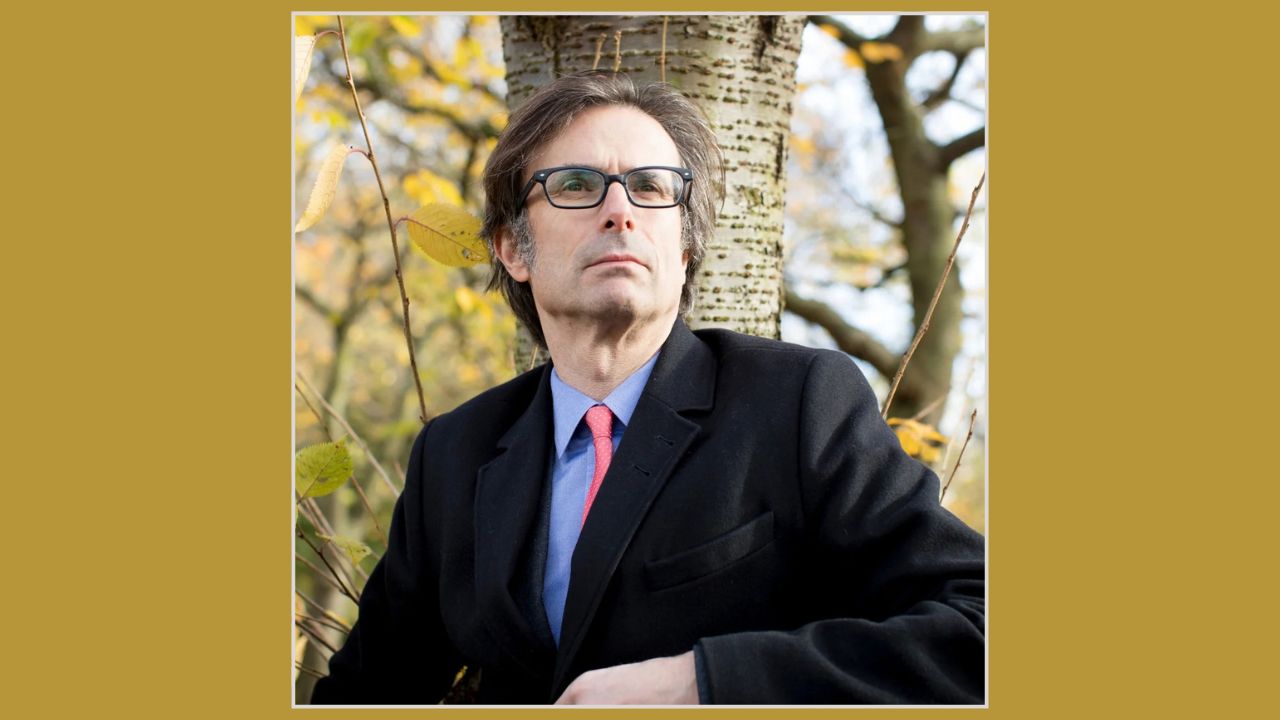
Robert Peston
Robert Peston stands among the most recognised political journalists in modern Britain. Over the years, he has built a reputation for sharp analysis, fearless questioning, and clear economic explanations. As the political landscape continues to evolve through 2025 and into 2026, Robert peston remains a central voice in national debate.
His work bridges the worlds of politics, finance, broadcasting, and publishing. Moreover, his ability to interpret complex events in simple language makes him influential beyond traditional news audiences. While many journalists report events, robert peston often shapes the conversation around them.
Early Foundations and Intellectual Background
Robert Peston grew up in an environment shaped by economic thought and public policy discussion. His father, Maurice Peston, was a respected economist and member of the House of Lords. As a result, policy debates and national issues formed part of his early life experience.
He studied at University of Oxford, where he developed strong analytical skills. During his university years, he explored politics, philosophy, and economics in depth. This academic foundation later strengthened his ability to interpret government decisions and financial systems.
Therefore, his journalism career did not begin with surface-level reporting. Instead, it developed from a deep understanding of how institutions operate and how power circulates within them.
Rise Through Financial Journalism
Breaking Major Economic Stories
Before becoming a leading political voice, Robert peston gained prominence through financial journalism. He became widely known during the global financial crisis of 2008. At that time, his reporting helped explain banking collapses and government interventions in clear, direct language.
While many outlets struggled to simplify technical economic developments, he translated complex financial mechanisms into understandable reporting. Consequently, viewers began to associate him with authority on economic stability and public finance.
Role at the BBC
Robert Peston served as Business Editor at BBC for a decade. During this period, he built trust with audiences seeking clarity in uncertain times.
His reporting style combined urgency with explanation. For example, when financial institutions faced collapse, he did not simply announce events. Instead, he outlined consequences, risks, and long-term implications. That approach elevated his standing within British journalism.
However, his work also attracted scrutiny. Because of the high stakes involved in financial reporting, every word carried weight. Despite criticism, he maintained a visible presence and continued to expand his influence.
Transition to Political Leadership Reporting
Move to ITV News
In 2015, robert peston moved to ITV News as Political Editor. This shift marked a new phase in his career. Rather than focusing primarily on markets, he turned his attention toward parliamentary decisions, elections, and government leadership.
His move reflected a broader transformation in British journalism. Economic policy and political power increasingly overlapped. Therefore, his background in finance gave him an advantage in analysing fiscal strategies, taxation policies, and public spending plans.
Hosting a National Political Programme
In addition to reporting, he hosts the political discussion show Peston. Through this platform, he interviews senior politicians, policy makers, and public figures.
The programme allows longer, more detailed discussions than short news segments. As a result, viewers gain insight into policy motivations rather than rehearsed headlines. Furthermore, robert peston often presses guests for clarity when answers remain vague.
Reporting Style and On-Screen Presence
Robert peston speaks with urgency and emphasis. His delivery style often includes strong vocal rhythm and expressive gestures. While some viewers debate his tone, others appreciate the energy he brings to complex subjects.
Importantly, he structures questions to uncover underlying strategy. Instead of accepting surface responses, he follows up with targeted inquiries. Consequently, interviews frequently generate headlines and spark wider debate.
Moreover, he blends analysis with real-time information. Therefore, his segments feel both informative and dynamic. This balance strengthens his public reputation as a serious political journalist.
Influence in British Politics (2025–2026)
Covering Government Transitions
As Britain continues to navigate political change through 2025 and 2026, robert peston plays a critical role in interpreting leadership transitions and policy shifts. Elections, cabinet reshuffles, and fiscal adjustments demand careful analysis. He provides context that helps audiences understand consequences beyond immediate headlines.
For example, when governments introduce new economic strategies, he examines potential impacts on inflation, employment, and public services. Additionally, he compares present reforms with historical patterns, offering broader perspectives.
Economic Challenges and Policy Debate
Global uncertainty continues to shape domestic policy decisions. Energy markets, international trade relations, and public debt influence government strategy. Therefore, Robert peston frequently connects global events to local outcomes.
His commentary highlights how economic pressures affect households and businesses. Rather than isolating statistics, he links them to daily life. Consequently, his analysis remains relevant across social groups.
Authorial Work and Long-Form Analysis
Beyond television, Robert peston has written several books exploring British power structures and economic reform. These works examine who influences national decisions and how institutions adapt to crises.
Long-form writing allows him to explore topics in depth. While broadcast journalism requires concise summaries, books provide space for detailed argument. Therefore, his authorship complements his television role.
Additionally, his writing often addresses structural inequality, corporate responsibility, and democratic accountability. These themes remain central in political discussion through 2025 and 2026.
Digital Presence and Public Engagement
Modern journalism extends beyond television studios. Robert peston actively participates in digital platforms, where political debate unfolds rapidly. Through social media commentary, he shares breaking insights and immediate reactions.
Digital engagement allows faster interaction with audiences. However, it also increases scrutiny. Every statement receives public feedback. Despite this, he continues to maintain visibility in online spaces.
Moreover, digital communication broadens reach beyond traditional viewers. Younger audiences, in particular, access political content through mobile platforms. Therefore, his online activity strengthens his relevance in a changing media environment.
Challenges and Criticism
High-profile journalism inevitably attracts criticism. Some observers question tone or interpretation, while others debate the framing of interviews. Nevertheless, Robert peston remains consistent in confronting controversial topics.
Journalistic independence requires resilience. Political reporting involves sensitive information and competing narratives. Consequently, he must evaluate sources carefully and present balanced interpretation.
Despite criticism, his longevity in national broadcasting suggests sustained credibility. Audiences continue to rely on his expertise during moments of political uncertainty.
Leadership Within Modern Media
The British media landscape faces structural change. Streaming platforms, digital newsrooms, and shifting advertising models reshape traditional broadcasting. In this environment, experienced journalists provide continuity.
Robert peston represents a bridge between legacy broadcasting and modern digital journalism. While he built his career in established institutions, he adapts to contemporary platforms.
Furthermore, his role at ITV demonstrates the importance of trusted political editors within mainstream networks. Viewers still seek authoritative interpretation in a fragmented information era.
Personal Perspective and Public Image
Although primarily known for professional achievements, robert peston’s public image reflects resilience and dedication. Personal experiences have shaped his outlook, yet he maintains focus on public service journalism.
His ability to remain composed during live reporting strengthens audience confidence. Additionally, he demonstrates preparedness when handling unpredictable political events.
Public figures in journalism must balance accessibility with authority. In this regard, he combines direct communication with analytical depth.
The Future of Robert Peston
Looking ahead to late 2025 and 2026, Robert peston is likely to remain influential in shaping political dialogue. As economic reform, global instability, and domestic policy continue to intersect, experienced analysis becomes even more valuable.
Media institutions continue evolving; however, credible political editors retain importance. Therefore, his expertise will remain relevant during election cycles, budget announcements, and international negotiations.
Moreover, public demand for transparent explanations continues to grow. In response, he adapts formats and communication styles while preserving analytical strength.
Conclusion
Robert peston has built a career defined by authority, clarity, and persistence. From financial reporting during economic crisis to political analysis in turbulent times, his work continues to shape public understanding.
Through television, writing, and digital engagement, robert peston maintains influence across multiple platforms. As Britain moves through new political chapters in 2025 and 2026, his role as interpreter of power remains significant.
Ultimately, his career reflects dedication to explaining complex systems in simple language. Therefore, his presence in British journalism stands as both enduring and evolving in a rapidly changing world.
READ MORE: Unveiling Natasha Kaplinsky: A Legendary UK Broadcaster’s Journey
